Asbestlint Explained: History, Uses, Risks & Why It Was Banned
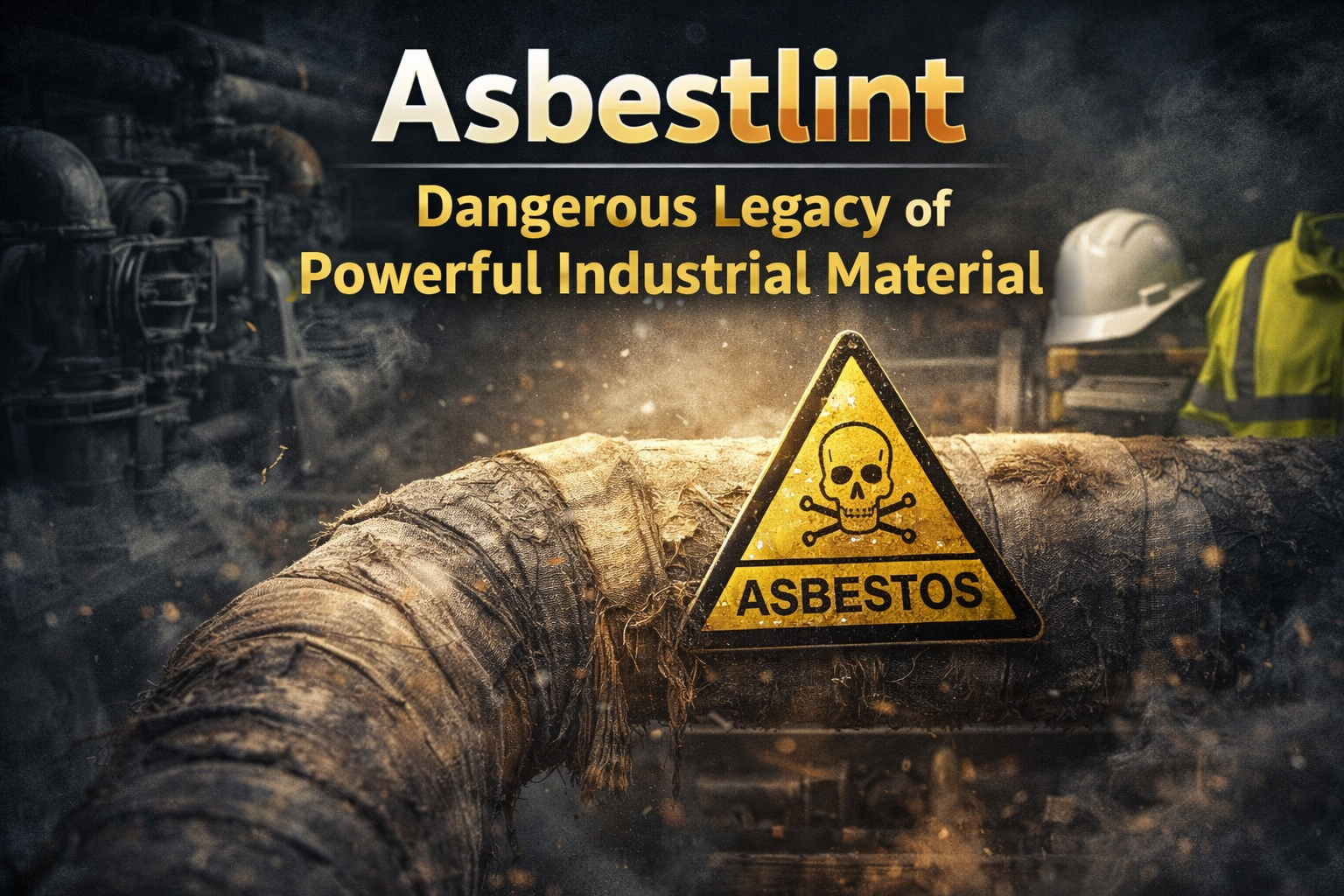
Asbestlint is a historical industrial material whose name is deeply rooted in European manufacturing traditions, especially in German-speaking regions. The term refers to asbestos-based tape or ribbon materials that were once widely used for insulation, sealing, and fire protection. For decades, Asbestlint represented strength, reliability, and technological progress in industrial environments.
Factories, power plants, shipyards, and construction projects depended on it to protect equipment from extreme heat and fire hazards. Its durability and resistance to high temperatures made it an essential component of industrial safety systems. Engineers trusted it to insulate pipes, seal joints, and shield machinery operating under harsh conditions.
At the time, performance mattered more than long-term consequences. The health risks of asbestos fibers were not yet fully understood, and safety standards were based mainly on efficiency and durability. Today, Asbestlint no longer symbolizes innovation. Instead, it stands as a reminder that materials once praised as powerful solutions can later be recognized as serious threats to human health.
Understanding Asbestlint is not only about industrial history—it is about learning how progress must be balanced with responsibility, safety, and scientific awareness.
The Origin and Meaning of Asbestlint
The word Asbestlint comes from two components:
- “Asbest” meaning asbestos
- “Lint” meaning strip, ribbon, or band of material
This directly describes its form: a woven asbestos tape designed to be flexible and easy to apply. Unlike rigid insulation boards, Asbestlint could be wrapped tightly around pipes, valves, joints, and mechanical components, allowing it to adapt to complex industrial systems.
Asbestos itself is a naturally occurring mineral known for its resistance to heat, fire, and chemical damage. When processed into woven fibers and formed into tape, it became a highly versatile industrial material. This combination of flexibility, strength, and heat resistance made Asbestlint extremely attractive during periods of rapid industrial growth.
During the twentieth century, as heavy industry expanded across Europe and beyond, the demand for high-performance insulation materials increased dramatically. Asbestlint perfectly matched this demand and quickly gained a reputation as a reliable and powerful industrial solution.
Industrial Uses of Asbestlint
Asbestlint played a critical role across multiple industries. Its applications were wide-ranging and deeply embedded in industrial infrastructure.
Thermal Insulation
One of its primary uses was heat insulation. Pipes carrying steam, hot gases, or industrial fluids were wrapped with Asbestlint to prevent heat loss and protect workers from burns. This improved energy efficiency and workplace safety.
Fire Protection
Because asbestos fibers are naturally fire-resistant, Asbestlint was widely used in fire prevention systems. It was applied around boilers, furnaces, exhaust systems, and engines to prevent heat transfer and reduce fire risks.
Sealing and Joint Protection
Asbestlint also functioned as a sealing material. Its fibrous structure allowed it to fill gaps and prevent leaks in high-pressure and high-temperature systems, particularly in steam and chemical transport pipelines.
These combined functions—insulation, fire resistance, and sealing—made Asbestlint a core component of industrial design for decades.
Why Asbestlint Was Considered a Powerful Material
The reputation of Asbestlint as a “powerful” material was based on several key properties:
Extreme durability:
Asbestos fibers are highly resistant to wear, friction, and heat damage, allowing the material to last for years without replacement.
Flexibility with strength:
Unlike rigid insulation materials, Asbestlint could be shaped, wrapped, folded, and layered without losing its structural integrity.
Chemical resistance:
In industrial environments filled with oils, gases, and corrosive substances, many materials degrade quickly. Asbestlint remained stable, reinforcing its image as a dependable solution.
These characteristics made it cost-effective, reliable, and technically superior compared to many alternatives available at the time.
Health and Safety Risks of Asbestlint
Despite its technical advantages, Asbestlint carried a hidden danger: asbestos fibers.
When asbestos materials are disturbed—through cutting, aging, tearing, or removal—microscopic fibers are released into the air. These fibers can be inhaled and remain in the lungs for long periods, causing serious health problems over time.
Workers who installed, maintained, or removed Asbestlint were especially at risk. For many years, they were exposed without adequate protective equipment because the dangers were not yet scientifically understood or publicly acknowledged.
Later research revealed strong links between asbestos exposure and severe diseases, including:
- Chronic respiratory illnesses
- Lung scarring
- Long-term breathing disorders
- Life-threatening conditions associated with asbestos fiber inhalation
This scientific evidence fundamentally changed how asbestos-based materials were viewed. Performance and durability were no longer enough—health risks became the defining factor.
Regulation and the Decline of Asbestlint
As medical research confirmed the dangers of asbestos, governments around the world introduced strict regulations. Many countries banned the production, sale, and use of asbestos-containing materials, including Asbestlint.
Industries were forced to transition to safer alternatives, and existing asbestos installations were placed under strict control procedures. Special handling, containment, and disposal regulations were developed to prevent fiber release during maintenance and demolition.
Today, Asbestlint is no longer used in modern construction or manufacturing. It exists primarily in:
- Old industrial facilities
- Legacy infrastructure
- Historic buildings
- Outdated mechanical systems
In these contexts, it is treated as a hazardous legacy material rather than a usable product.
Modern Alternatives to Asbestlint
The removal of Asbestlint created the need for safer replacement materials with similar performance characteristics. Modern industrial systems now rely on alternatives such as:
- Fiberglass insulation tape
- Ceramic fiber tape
- High-temperature composite materials
- Advanced thermal insulation fabrics
These materials offer heat resistance, flexibility, and durability without the severe health risks associated with asbestos. Advances in material science have made modern insulation safer, more efficient, and environmentally responsible.
This transition demonstrates how innovation can replace even deeply established industrial materials when safety becomes a priority.
The Importance of Awareness Today
Although Asbestlint is no longer widely used, awareness remains essential. Many older buildings and industrial sites still contain asbestos-based materials. Improper handling during renovations or repairs can expose individuals to serious health risks.
Public education, professional training, and regulatory oversight play a crucial role in preventing accidental exposure. Understanding what Asbestlint is—and why it is dangerous—helps ensure responsible management of legacy materials.
Today, Asbestlint serves as a powerful case study in industrial safety. It teaches that technological progress must always be evaluated not only for performance, but for long-term human and environmental impact.
Conclusion
Asbestlint represents both innovation and oversight in industrial history. Once praised as a powerful solution for insulation and fire protection, it later became a symbol of hidden danger and the consequences of incomplete scientific understanding.
Its story reflects a broader lesson: materials that appear beneficial in the short term can carry long-term risks if health and safety are ignored. The transition away from Asbestlint shows how industries evolve as knowledge advances.
Today, safer alternatives have replaced it, and strict regulations protect workers and communities from its dangers. By learning from the legacy of Asbestlint, modern industries can build a future where efficiency, innovation, and human safety exist together—not in conflict.
FAQs
What was Asbestlint used for?
It was used for insulation, sealing, and fire protection in high-temperature industrial environments such as factories, power plants, and shipyards.
Is Asbestlint still used today?
No. In most countries it is banned due to asbestos regulations. It is found only in legacy systems and old structures.
Why is Asbestlint dangerous?
Because it contains asbestos fibers, which can become airborne and cause serious long-term health risks when inhaled.
What should be done if Asbestlint is found?
It should not be disturbed. Professional inspection and controlled removal or containment procedures are required.
What replaced Asbestlint?
Fiberglass tape, ceramic fiber materials, and modern composite insulation products have replaced it as safer alternatives.
Also read more Veneajelu: Health Benefits of Leisure Boating for Mind, Body & Wellness 2026 , Ultimate Guide to Solving “Phil or Lil of Rugrats” Crossword Clues , RWU UAR Explained: Meaning, Uses, Systems & Future Impact in Education, Research & Technology







2 thoughts on “Asbestlint Explained: History, Uses, Risks & Why It Was Banned”